For decades, physicians have recognized hypertension management as a lever to reduce the risk of cardiovascular disease and chronic kidney disease. Increasingly, however, evidence suggests that elevated blood pressure may also impact brain health.
The 2024 Lancet Commission on dementia prevention, intervention and care estimates that nearly 45% of dementia cases may be attributed to 14 modifiable risk factors. Of these factors, hypertension stands out as highly prevalent and treatable. Controlling blood pressure may be one of the most scalable strategies available to reduce the risk of dementia.
Why hypertension may contribute to cognitive disease
Chronically elevated blood pressure produces structural and functional changes throughout the cerebral circulation, such as endothelial dysfunction, arterial stiffening, vascular remodeling and impairment of cerebral autoregulation. Over time, these changes contribute to blood-brain barrier disruption, chronic neuroinflammation and progressive cerebral small vessel disease.
Increasing evidence suggests hypertension might not simply correlate with Alzheimer’s disease but may be a cause. Elevated blood pressure damages small blood vessels in the brain and stiffens and narrows arteries, impairing blood flow and weakening the blood-brain barrier. If left untreated, this may lead to cognitive decline.
In this context, hypertension should be viewed not only as a risk marker but as a potentially modifiable disease mechanism.
Blood pressure burden matters more than isolated measurements
A critical challenge in translating this knowledge into clinical practice is how blood pressure is typically measured in clinics today. While blood pressure fluctuates continuously in response to physical activity, emotional stress, sleep, medication timing and autonomic regulation, most blood pressure measurements are clinic spot checks.
However, a hypertension diagnosis can’t be adequately characterized by a single office measurement because blood pressure is dynamic. This is why 3 out of 4 adults in the U.S. with hypertension have uncontrolled blood pressure.
Improving blood pressure measurement accuracy is critical to modifying high blood pressure and reducing the risk of cognitive disease.
Nocturnal blood pressure and cognitive health
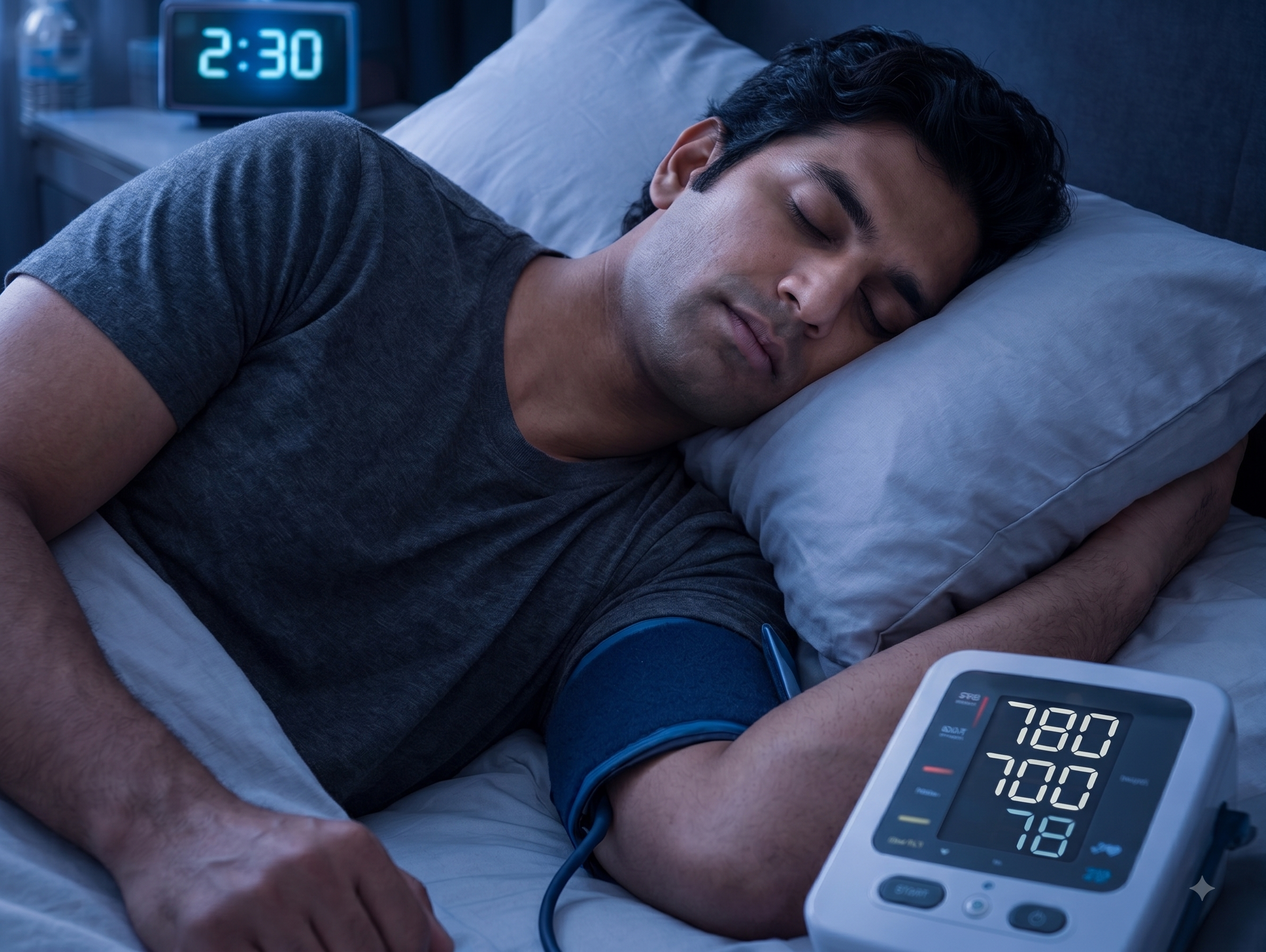
Among the most important arguments for capturing 24-hour blood pressure readings is the prognostic significance of nighttime blood pressure. Nighttime ABPM is six times more predictive of mortality than clinic systolic blood pressure.
Patients who demonstrate nocturnal hypertension or dipping patterns may appear well controlled in a clinic spot check. Yet, high nocturnal blood pressure is consistently associated with greater cardiovascular morbidity and mortality.
Nighttime blood pressure may be particularly relevant to neurological health because cerebral recovery is most active during sleep. Persistent nocturnal high blood pressure may expose the brain to ongoing injury during a period when vascular recovery would otherwise occur.
Without ambulatory blood pressure monitoring (ABPM), nocturnal blood pressure remains invisible.
Hypertension and the aging brain
It’s not common for people with hypertension to underestimate its severity. With no symptoms and no immediate repercussions, many people take their high blood pressure in stride. The possible threat of Alzheimer’s disease and dementia is one more reason to pay attention to hypertension.
Among researchers and physicians, Alzheimer’s disease is discussed as a disorder of amyloid plaques and tau tangles. However, mounting evidence suggests that vascular dysfunction frequently precedes and accelerates neurodegenerative processes.
Chronic hypertension exposes cerebral vessels to persistent pressure. Over time, this contributes to:
- Endothelial dysfunction
- Arterial stiffening
- Impaired cerebral autoregulation
- Blood-brain barrier disruption
- Chronic neuroinflammation
- Cerebral small vessel disease
- White matter injury and microinfarcts
This constant stress reduces the brain’s ability to maintain adequate blood flow and oxygen delivery. The result is cumulative damage that may go unnoticed for years before any cognitive symptoms emerge.
This damage develops gradually. Long before memory loss becomes apparent, elevated blood pressure may already be altering the microvascular environment that supports healthy brain function.
Protecting the brain
While research indicates a causal effect between hypertension and cognitive health, other modifiable lifestyle interventions also support brain health:
- Smoking cessation
- Diabetes management
- Lipid control
- Physical activity
- Weight management
- Sleep
These interventions don’t merely reduce cardiovascular events. They help preserve the cerebral microvasculature that supports cognition.
This is one reason the Lancet Commission’s findings are so encouraging. Dementia prevention isn’t limited to future pharmaceutical breakthroughs. The findings identify 14 opportunities to lower risk that already exist. Among them, hypertension management is one of the most immediate and scalable interventions available today.
Better diagnosis starts with better measurement
Hypertension, as it’s diagnosed and monitored today, isn’t adequate to treat the 48% of people in the United States with the condition. Before hypertension can be treated effectively, it must first be measured accurately.
Relying on the same traditional arm cuff ambulatory blood pressure monitor (ABPM) from the 1970s isn’t a scalable solution. Most physicians rely on clinic spot checks to diagnose hypertension, despite AHA/ACC guidelines that recommend ABPM. Accurate measurement at scale remains one of the biggest challenges in cardiovascular medicine.
Making 24-hour blood pressure monitoring more accessible
As cardiovascular medicine advances rapidly, physicians need a blood pressure tool that captures real-world blood pressure behavior with minimal disruption.
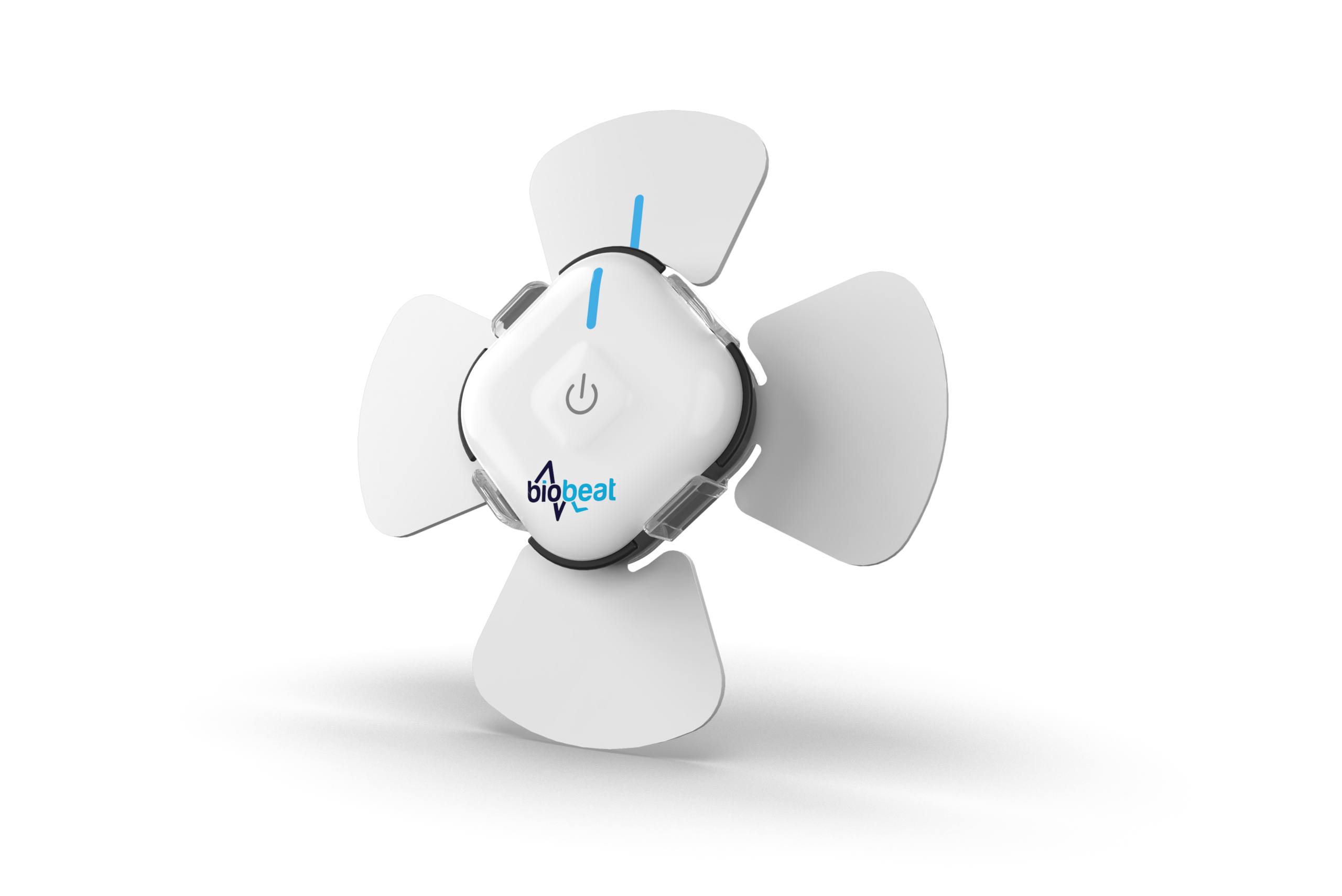
Biobeat’s FDA-cleared cuffless 24-hour blood pressure monitoring system was developed to address many of the barriers associated with conventional monitoring. The wireless chest patch continuously captures accurate blood pressure readings during the day and night without repeated cuff inflation. The platform automatically generates a comprehensive report that includes daytime and nighttime averages, trends and dipping patterns.
When blood pressure is accurately measured, physicians gain a clearer understanding of a patient’s upstream risks and can intervene earlier to prevent them.
While no single intervention eliminates risk, hypertension is a modifiable risk factor because it’s measurable, treatable and negatively affects both heart and brain health. Treating it early starts with a scalable diagnostic screening tool.
Discover how Biobeat’s FDA-cleared cuffless 24-hour blood pressure monitoring solution is already helping physicians in hypertension centers improve diagnostic confidence and support better long-term cardiovascular and cognitive outcomes. Contact us to set up a demo.