
How Continuous BP Monitors Can Significantly Reduce the Burden of Hypertension
High blood pressure, where the force of circulating blood chronically applies too much pressure on the walls of the arteries, affects more than 48% of U.S. adults.
This article discusses the dangers of high blood pressure, the ways in which it’s traditionally monitored and how ambulatory blood pressure monitoring (ABPM) can improve the diagnosis and monitoring of hypertension.
Blood Pressure 101
New AHA/ACC guidelines for adults replace the 2017 version and now define hypertension as anyone with a systolic blood pressure greater than 130 mm Hg or a diastolic blood pressure greater than 80 mm Hg (or anyone taking medication for high blood pressure).
Low blood pressure (hypotension) also signals an underlying problem, especially when it drops suddenly, or is accompanied by symptoms such as dizziness or lightheadedness, fainting, blurred or fading vision, nausea, fatigue and lack of concentration.
High blood pressure (hypertension) on the other hand, can present as severe headaches, nosebleeds, fatigue or confusion, vision problems, chest pain, difficulty breathing, irregular heartbeat and even, blood in the urine.
Hypertension in particular, can lead to serious health problems, including: heart attack, stroke, aneurysm, heart failure, weakened and narrowed blood vessels in your kidneys, thickened, narrowed or torn blood vessels in the eyes, metabolic syndrome, trouble with memory or understanding and even, dementia.
The problem with high blood pressure is, that often, the patient doesn’t even know that they have it. It builds up slowly and silently, until it’s critical, and in some cases, fatal, earning the nickname “silent killer.”
Traditional blood pressure monitoring methods
Blood pressure is traditionally taken using two measurements:
- Systolic (estimated when the heart beats when blood pressure is at its highest)
- Diastolic, (measured between heart beats, when blood pressure is at its lowest).
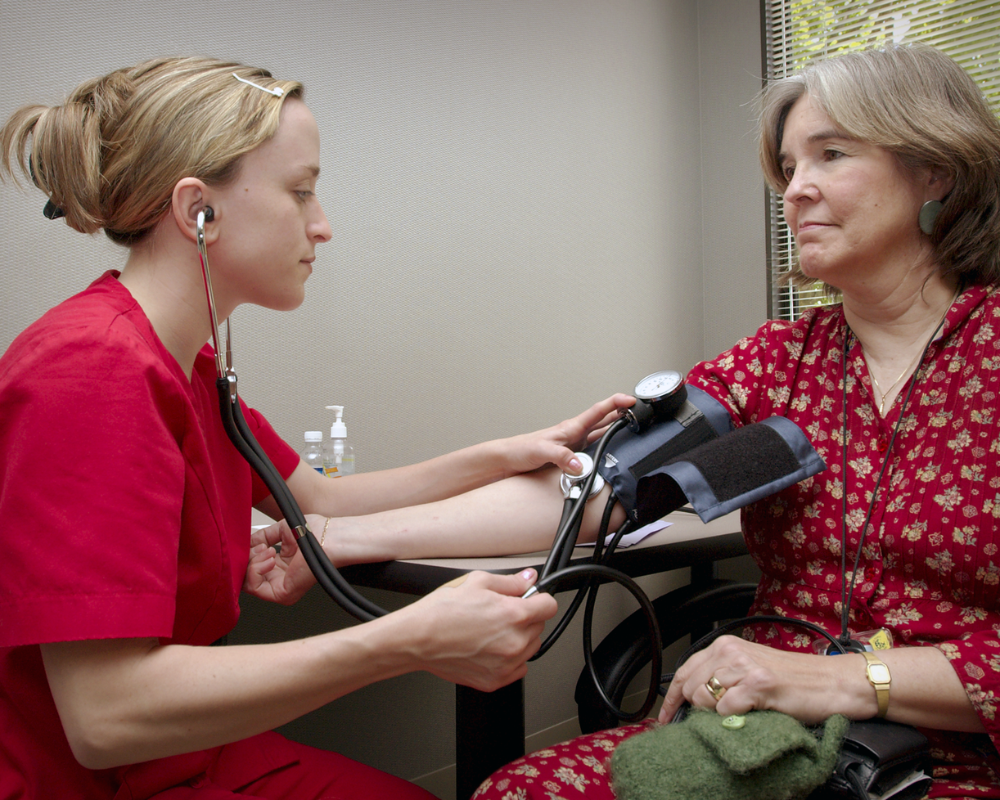
Usually, these measurements are taken by a clinician with an inflatable cuff, officially called a sphygmomanometer. The medical professional then inflates the cuff, which gently tightens while a gauge noninvasively measures the blood pressure in the body. The output is the systolic and diastolic measurement.
Improving hypertension management
Hypertension is the most modifiable condition for preventing cardiovascular disease, so monitoring and managing high blood pressure helps prevent serious conditions downstream and saves lives.
However, this depends on accurate blood pressure. Most patients are monitored with spot check measurements in the office, while blood pressure varies throughout the day and night. Plus, many hypertension patients can’t always able to get into the clinic to get their blood pressure monitored.
Patients with home blood pressure monitoring may not have accurate devices, may fail to consistently measure their blood pressure (non-compliance), often misunderstand (or misread) data (inaccurate reporting), require a nurse to come and help them (costly resources), and/or do not show up for time-intensive video/telephone consultations.
ABPM is the gold-standard diagnostic screening tool for blood pressure monitors, however most clinics have limited devices and the traditional arm cuffs are cumbersome and inconvenient for clinicians and patients alike. Used repeatedly by multiple patients, the cuff has to be sanitized, adjusted to the arm size, calibrated and then consistently worn for 24-hours
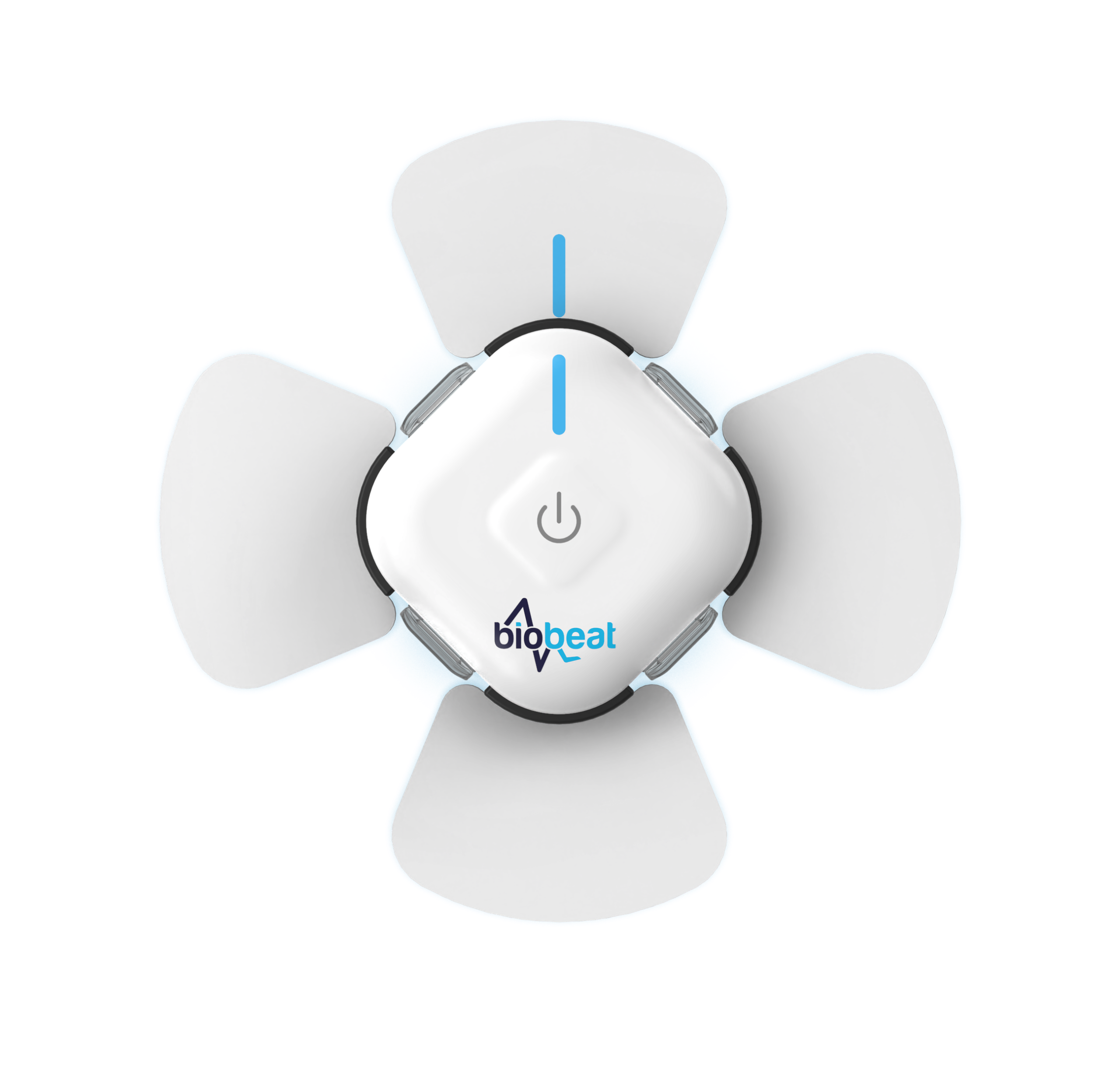
Cuffless ABPM from Biobeat offers the benefit of monitoring without interfering with the patients’ routine.
With sensor-based chest patch blood pressure monitors, patients barely notice they’re being monitored, making it a fully objective tool of measurement. Additionally, the device collects more vital signs than cuff-based devices and can automatically detect any changes in blood flow and systolic/diastolic pressures.
With modern cuffless ABPM, blood pressure can now be measured in every patient who needs it, at scale.
With cuffless monitoring, 24- hour blood pressure measurement is captured quickly, accurately, and automatically with no cuff required.
Biobeat – on the pulse of innovation in blood pressure monitoring
Biobeat is covered by most commercial insurance and Medicare, making it ideal for hypertension diagnosis and management.
The wearable devices are the first devices to be FDA-cleared for cuffless blood pressure monitoring using PPG only and are also CE Mark certified.
Blood pressure monitoring at scale
Biobeat transcends the challenges of traditional ABPM arm cuffs with a unique end-to-end blood pressure monitoring solution that’s convenient and easy. Physicians and patients both receive an immediate report after the test is completed.
What does ABPM mean for medical professionals?
Biobeat is a positive disruption in the constraints of traditional ABPM. Patients’ systolic and diastolic blood pressure, heart rate, mean arterial pressure, cardiac output and systemic vascular resistance are all readily available, accurately measured, with reports that can be analyzed on-demand, from anywhere. Patients can access the information via a connected smartphone app, and doctors can tap into an online report via a web application.
Conclusion
Biobeat is the first convenient ABPM solution available at scale for hypertension diagnosis and monitoring. Physicians can access accurate blood pressure data, while patients have peace of mind knowing their blood pressure is being managed, preventing life-threatening cardiovascular events before they happen.
Now that’s progress.
References
-
- American Heart Association. (n.d.). Understanding blood pressure readings. https://www.heart.org/en/health-topics/high-blood-pressure/understanding-blood-pressure-readings
- World Health Organization. (n.d.). Hypertension. https://www.who.int/health-topics/hypertension#tab=tab_1
- BioBeat. (n.d.). How Biobeat is transforming the 24-hour blood pressure monitoring experience for both hypertension patients and doctors. https://www.bio-beat.com/article/how-biobeat-is-transforming-the-24-hour-blood-pressure-monitoring-experience-for-both-hypertension-patients-doctors/